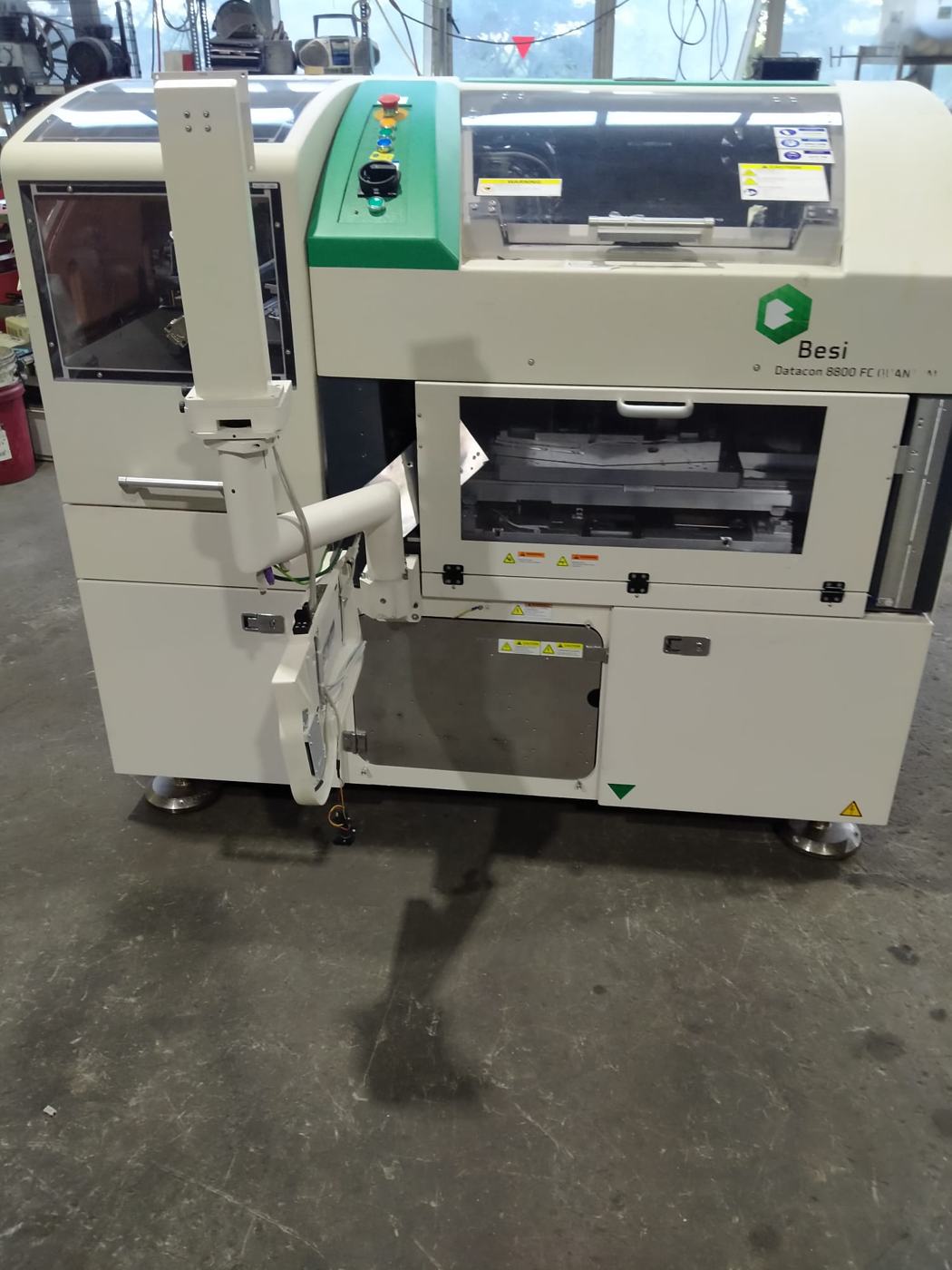
Semiconductor machine sales
We buy used semiconductor machines through tender and keep the good ones in storage for resale.
Since 1988 · Tuas South, Singapore
We turn semiconductor scrap into material for future technologies. Factories call us when machines need to go. We move them out, resell what still works, and dismantle and sort the rest so the metal goes back into production instead of to landfill.
Started on 4 January 1988 in Ang Mo Kio, collecting scrap metal from CNC factories.
More than twenty years moving and destroying machines for manufacturers.
General Waste Collector and General Waste Disposal Facility licences.
Waste and e-waste records kept for five years. You can come and check them.
Services
We buy, move, resell, dismantle and destroy semiconductor equipment, then recover the metal and parts. You deal with one company from the tender to the certificate.
We buy used semiconductor machines through tender and keep the good ones in storage for resale.
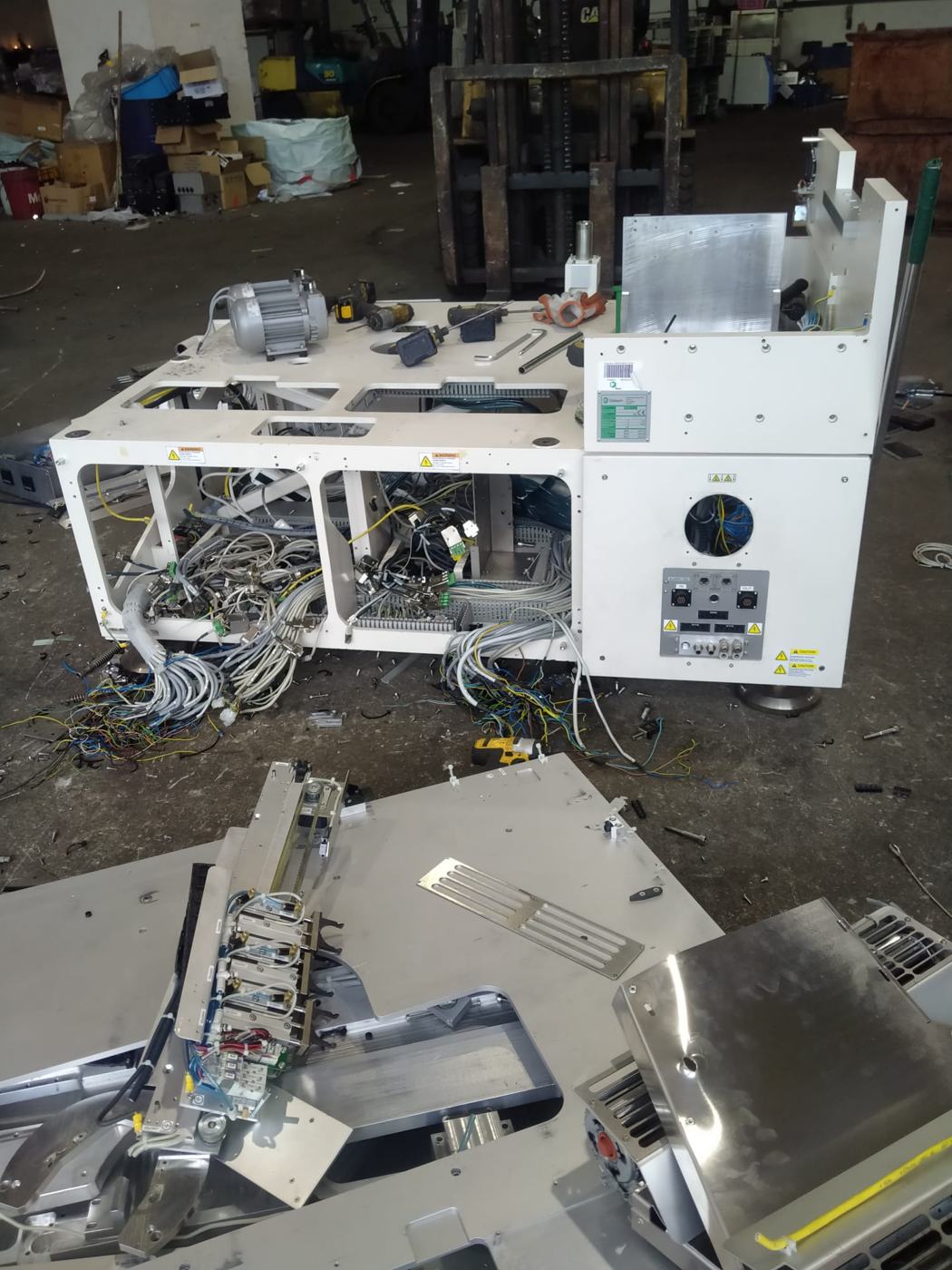
We take working electronics out of machines and sell them on: logic controllers, circuit breakers, servo drives, servo motors and power supplies.
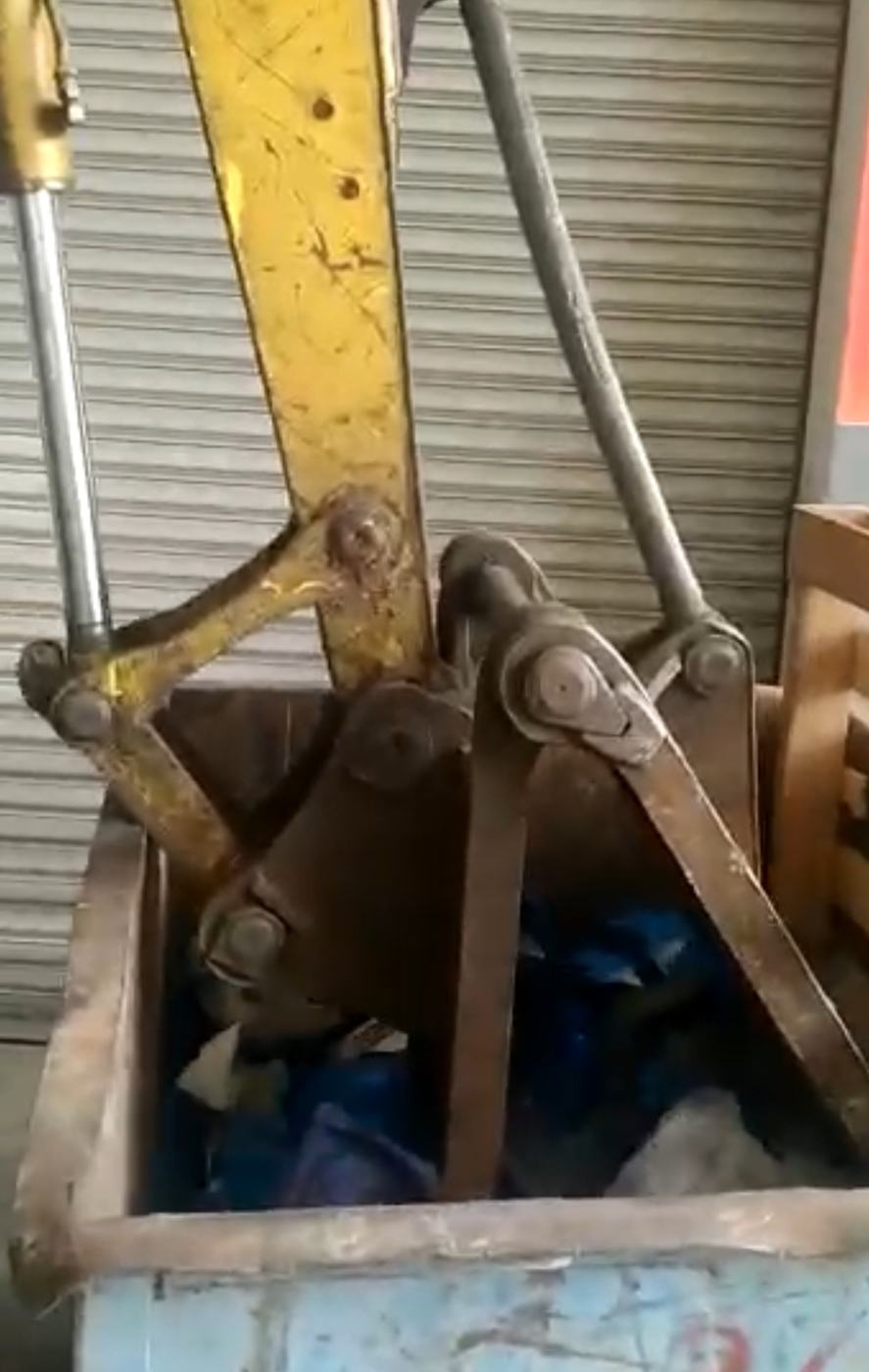
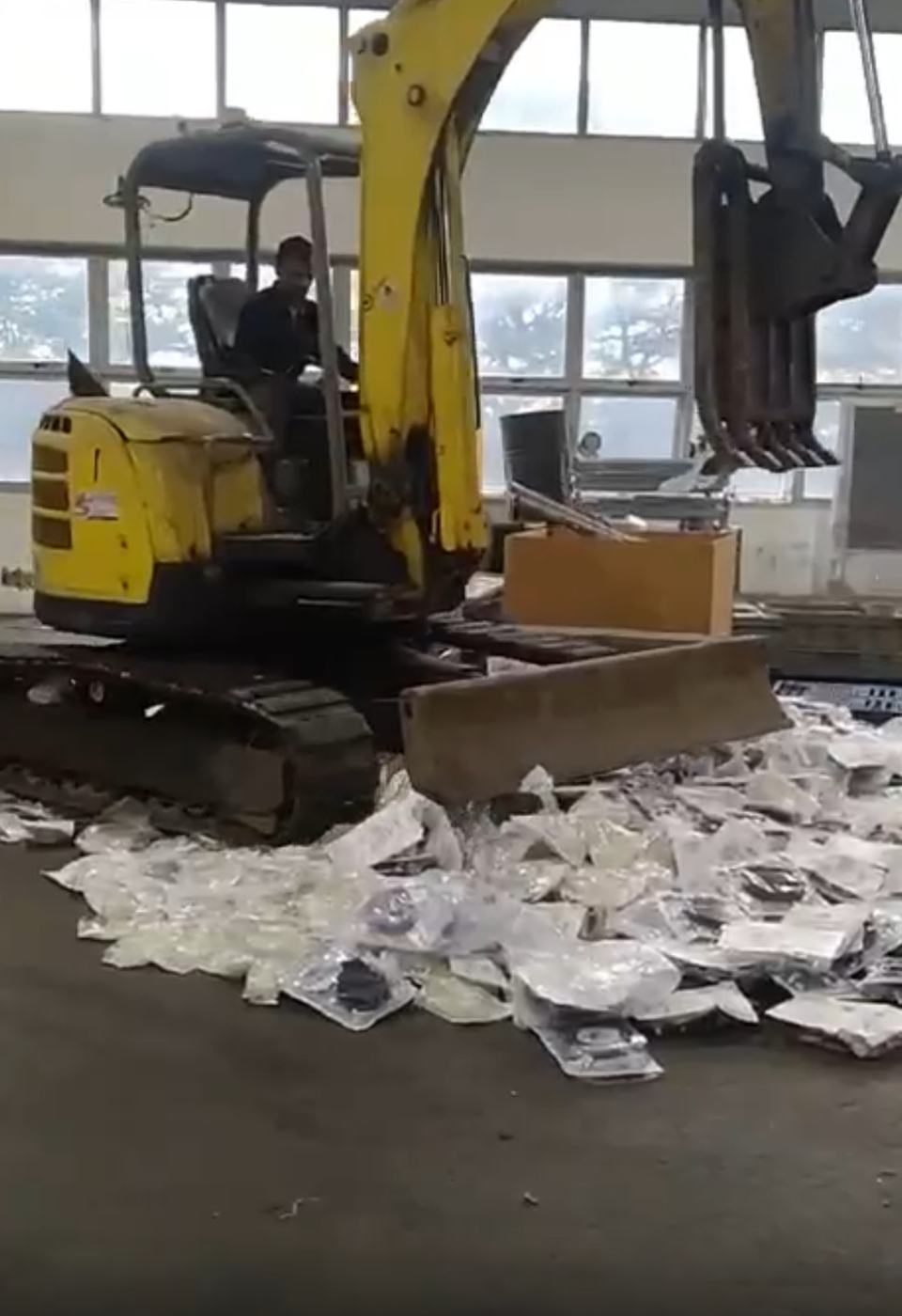
We destroy machines that must not be reused, photograph and film the process, and give you a Certificate of Destruction.
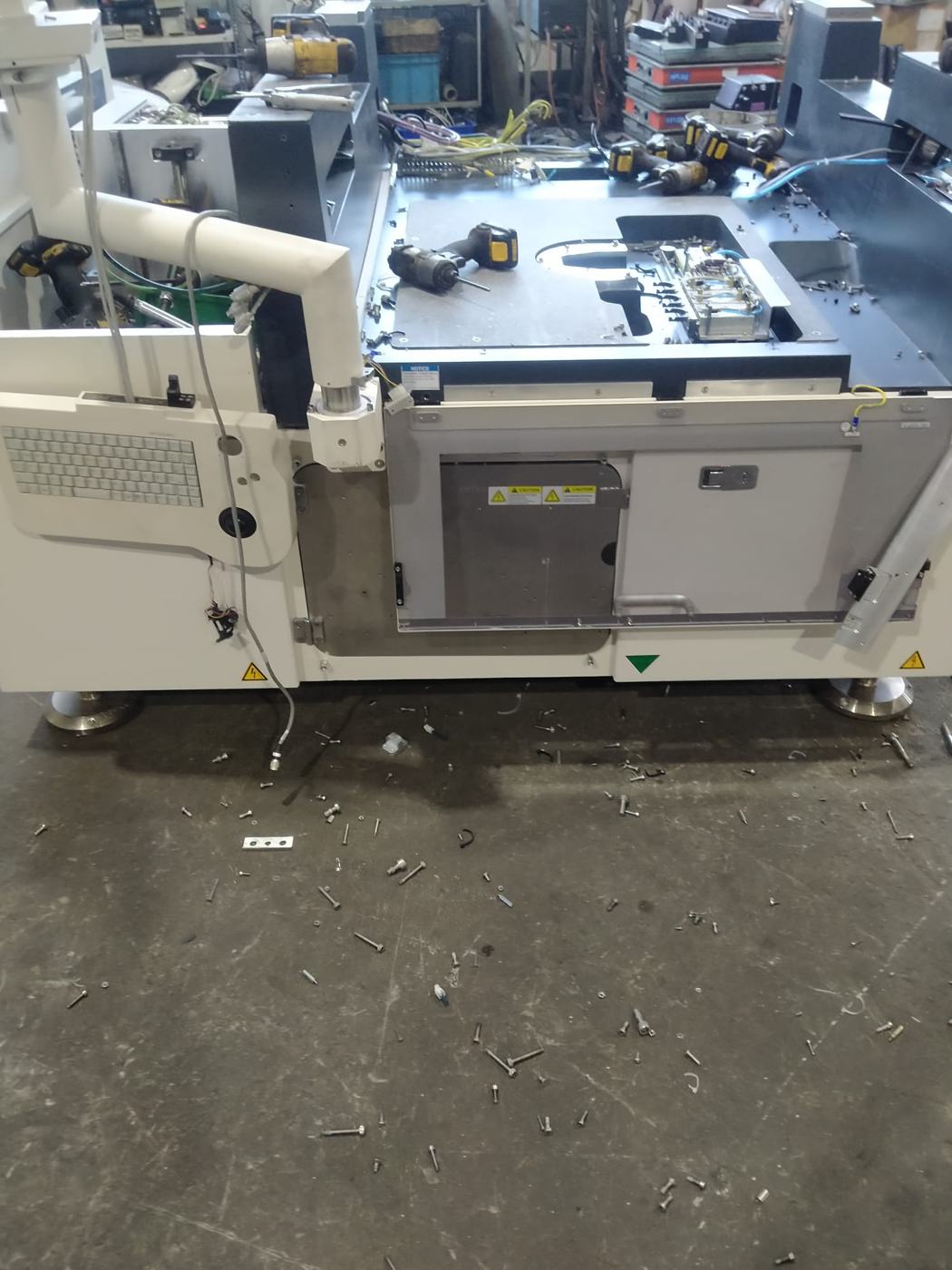
We bring the manpower and the logistics to get machines out of your factory, with a risk assessment done beforehand.
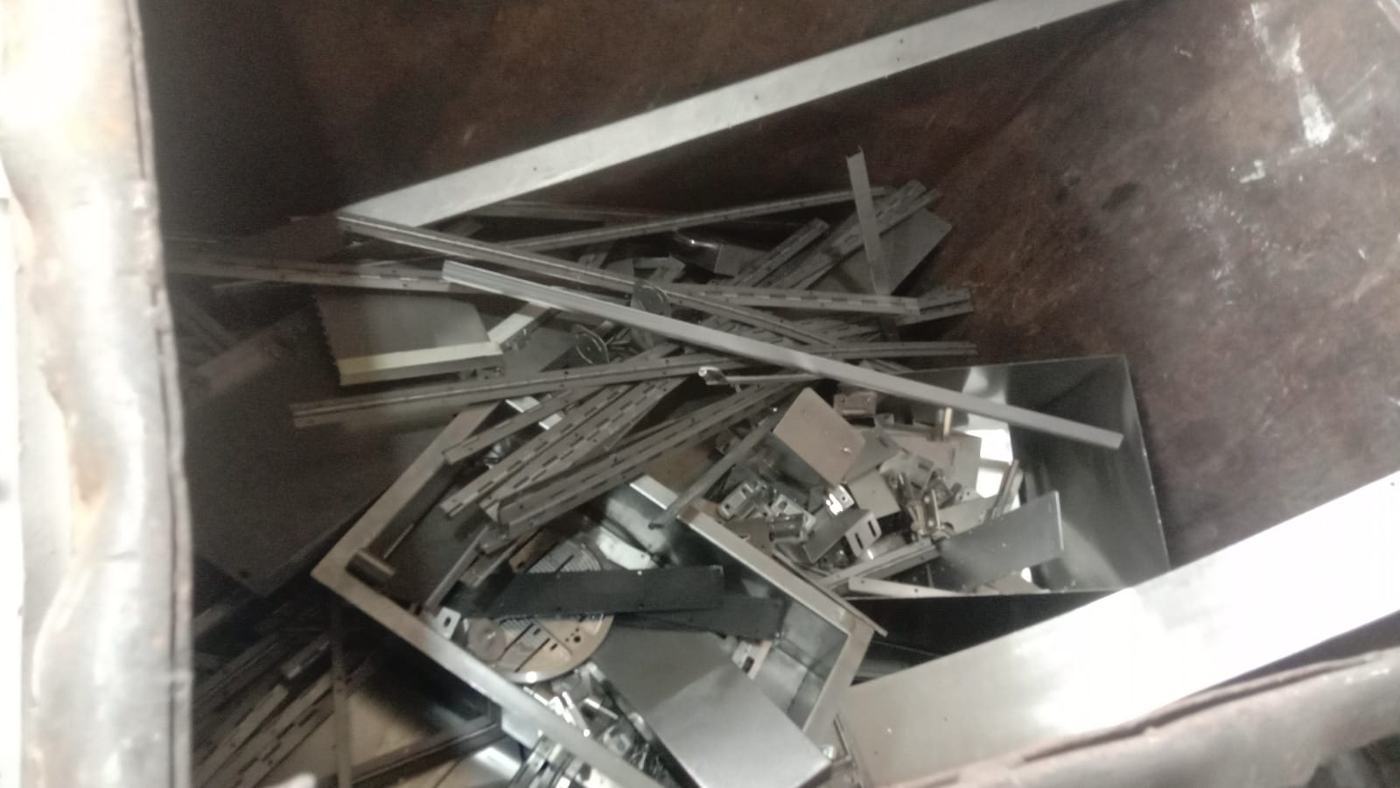
Copper in all the usual grades, stainless in 304, 316, 430 and 201/202, steel and iron, and aluminium extrusions, sheet, heat sinks and cast parts.
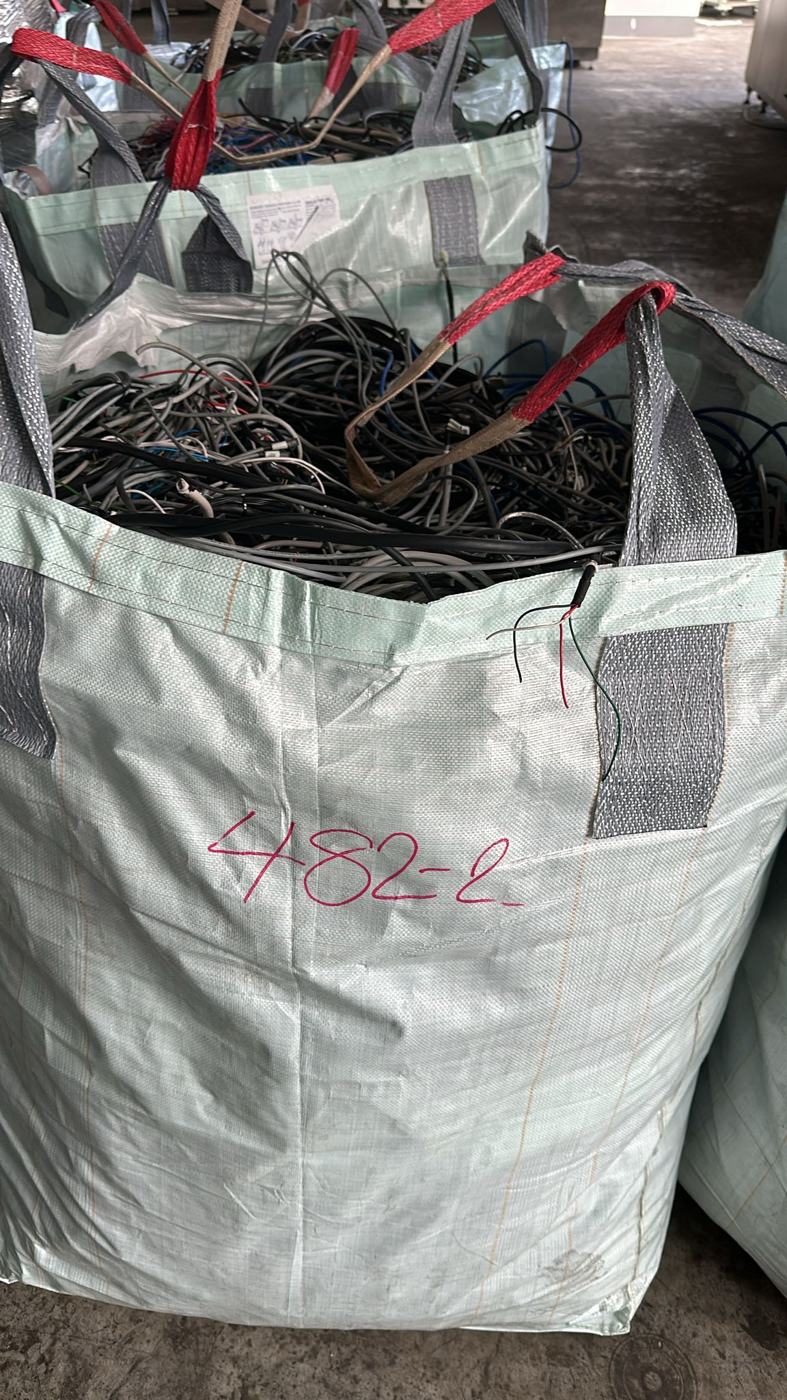
We take regulated e-waste: ICT equipment, appliances, phones, batteries, lamps and solar panels. For business customers we collect on a schedule and give you the figures for ESG reporting.
How we work
When a factory puts machines out to tender, we look at each one and decide whether it is worth more resold or scrapped. Either way, our people and our trucks move it out.
Scrap process
Your factory tells us which machines need to be disposed of.
We send you a risk assessment for the removal before any work starts on site.
Our people and our trucks take the machines out and bring them to the yard.
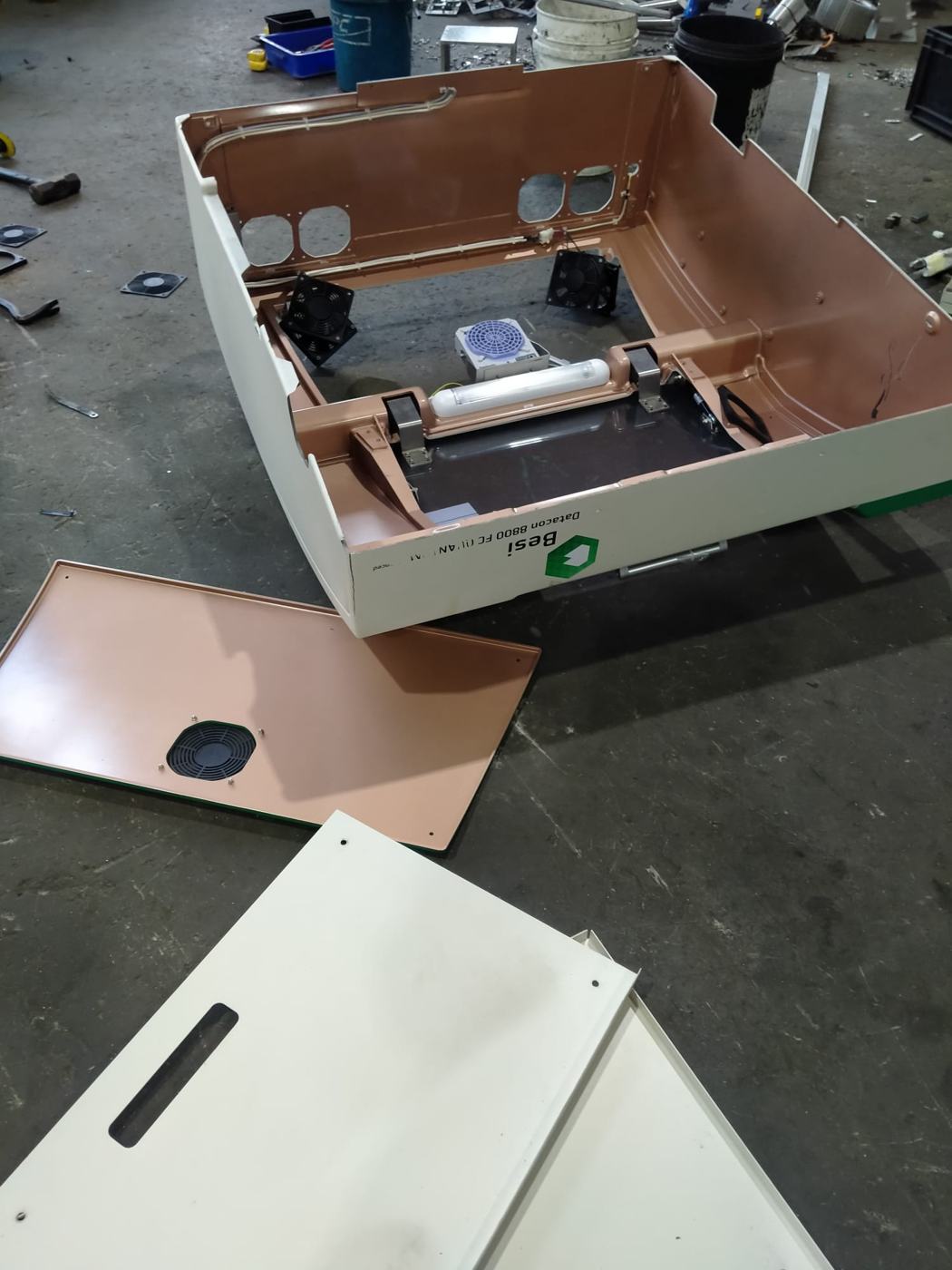
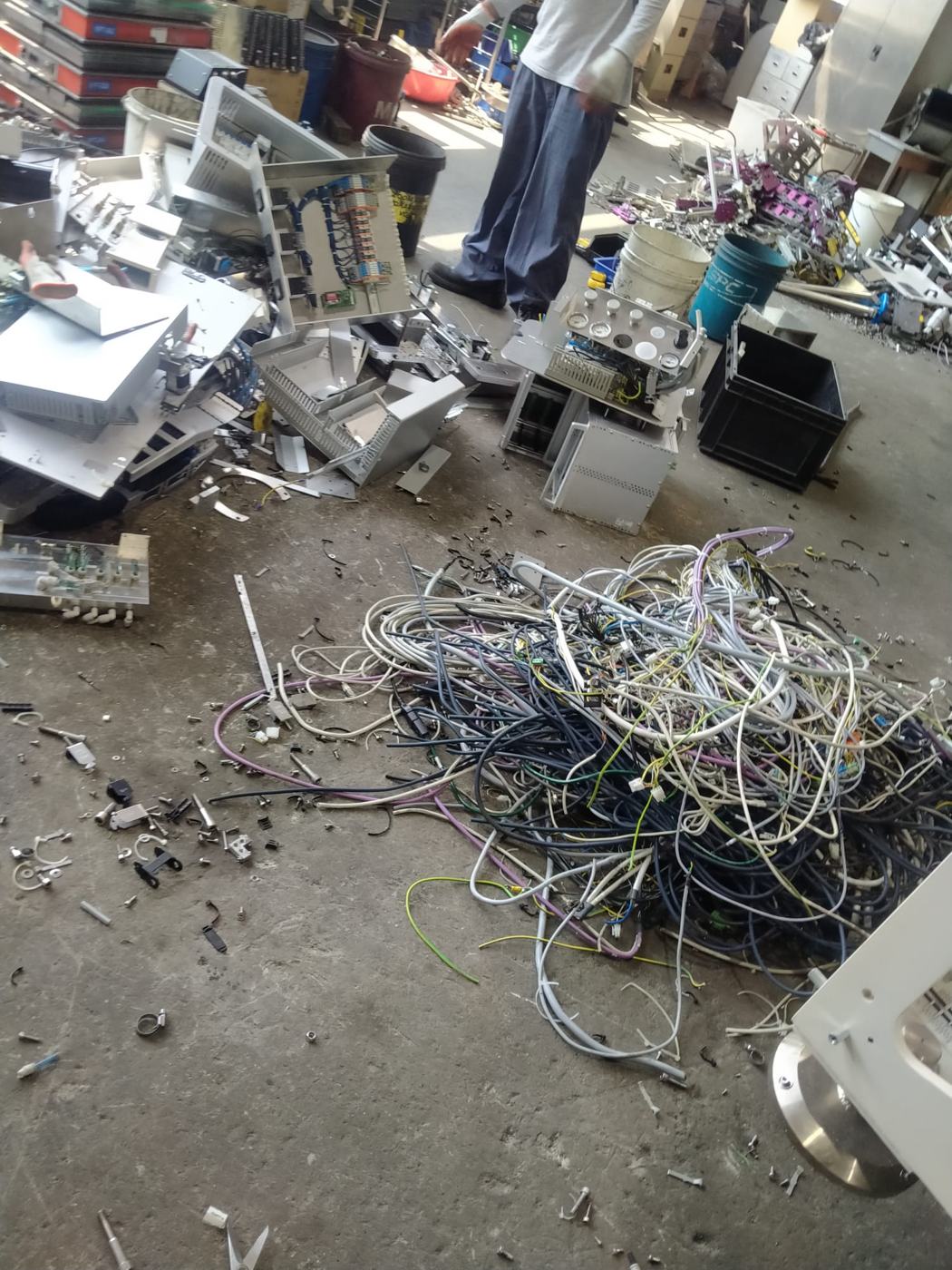
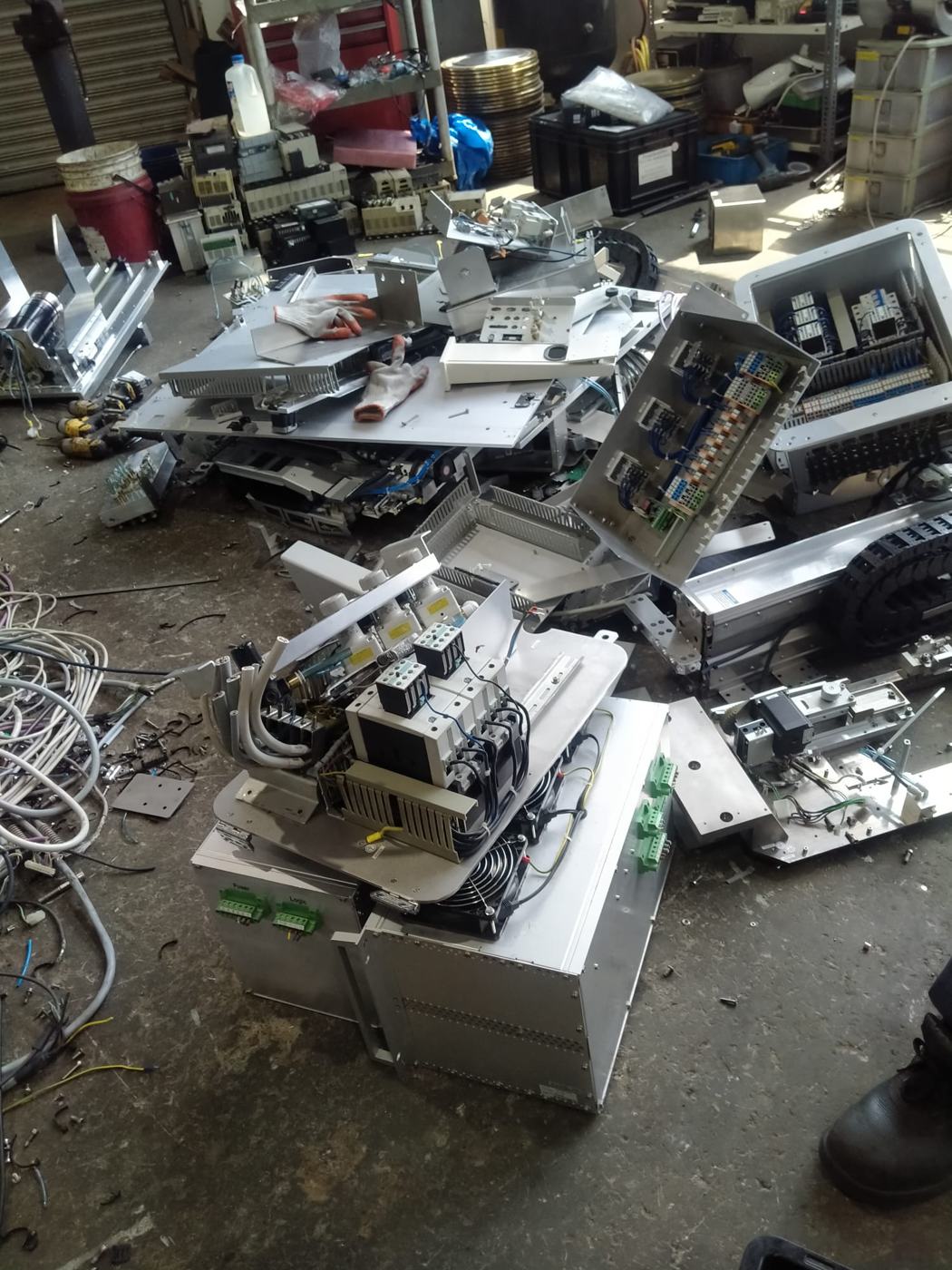
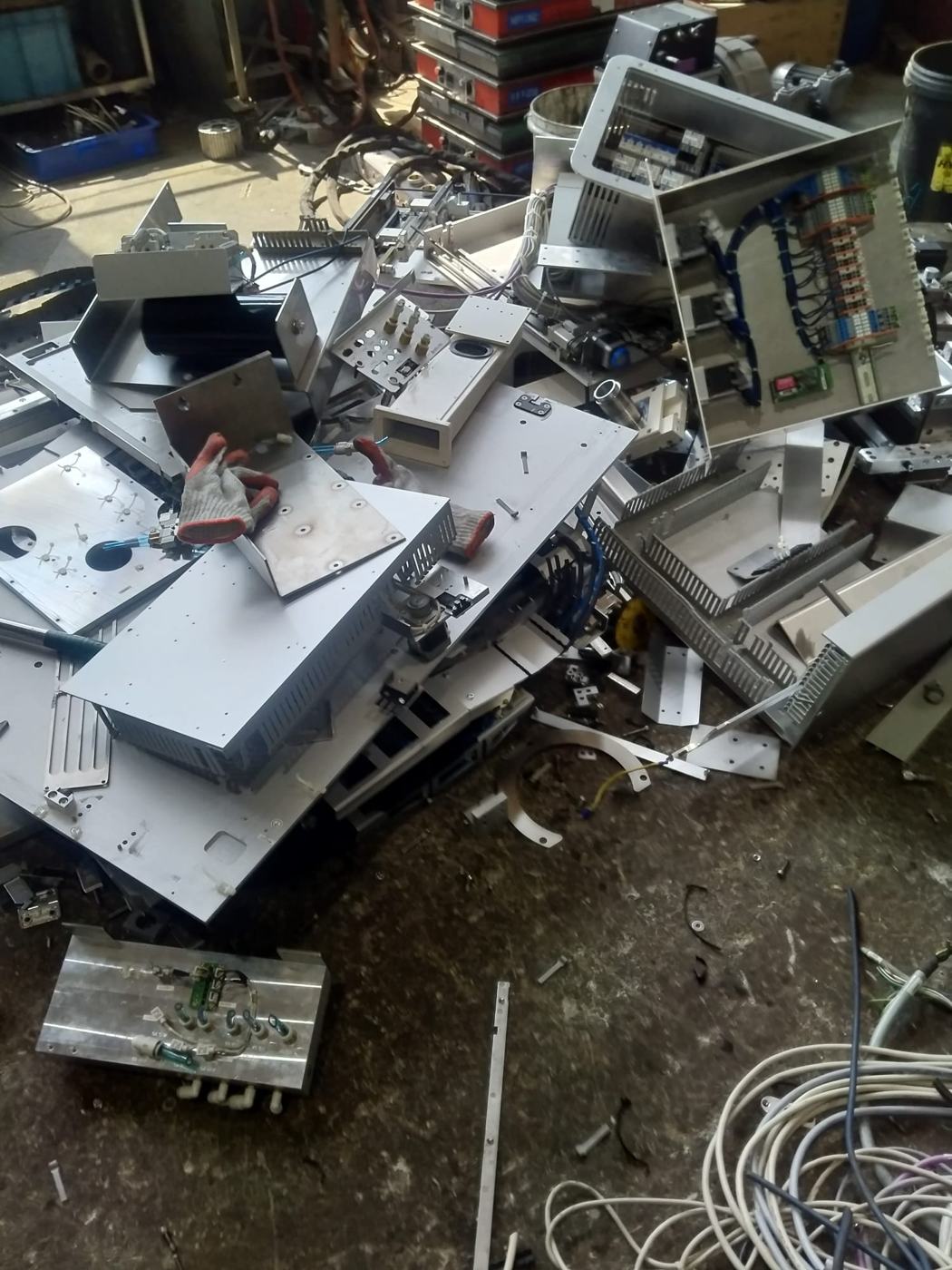
Workers start taking the machines apart as soon as they arrive at the yard.
We take photos and video of the destruction so you have proof it was done.
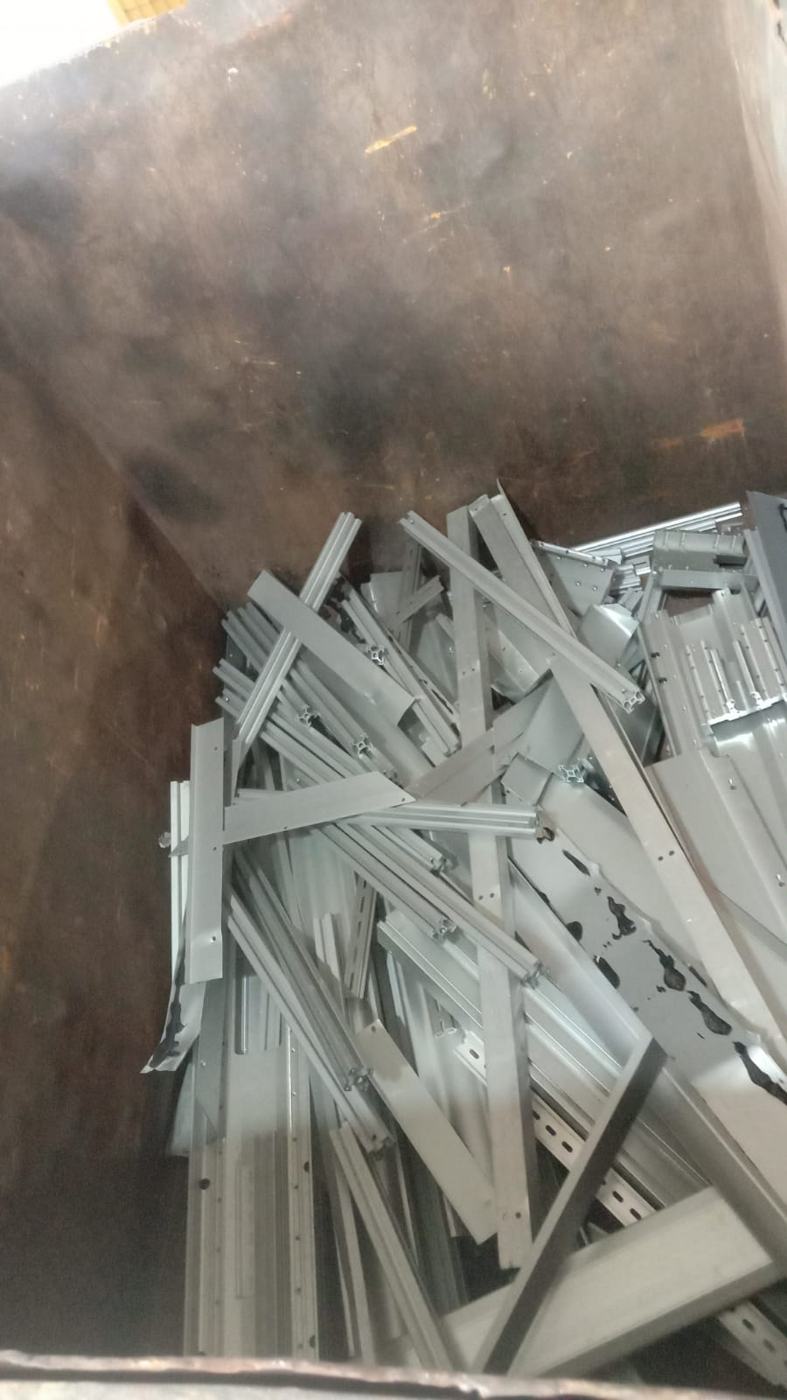
Metals are separated by type: iron, stainless steel, aluminium, wire and so on.
Metals go into their own skid bins. E-waste goes into jumbo bags. Both wait for payment and collection by buyers.
You get a Certificate of Destruction for the scrapped machines.
Certificate of Destruction
Each certificate is issued on our letterhead. It gives the collection date, lists the items destroyed, and is signed and stamped by us. Photos of the destruction are attached, so your auditors can see it happened.
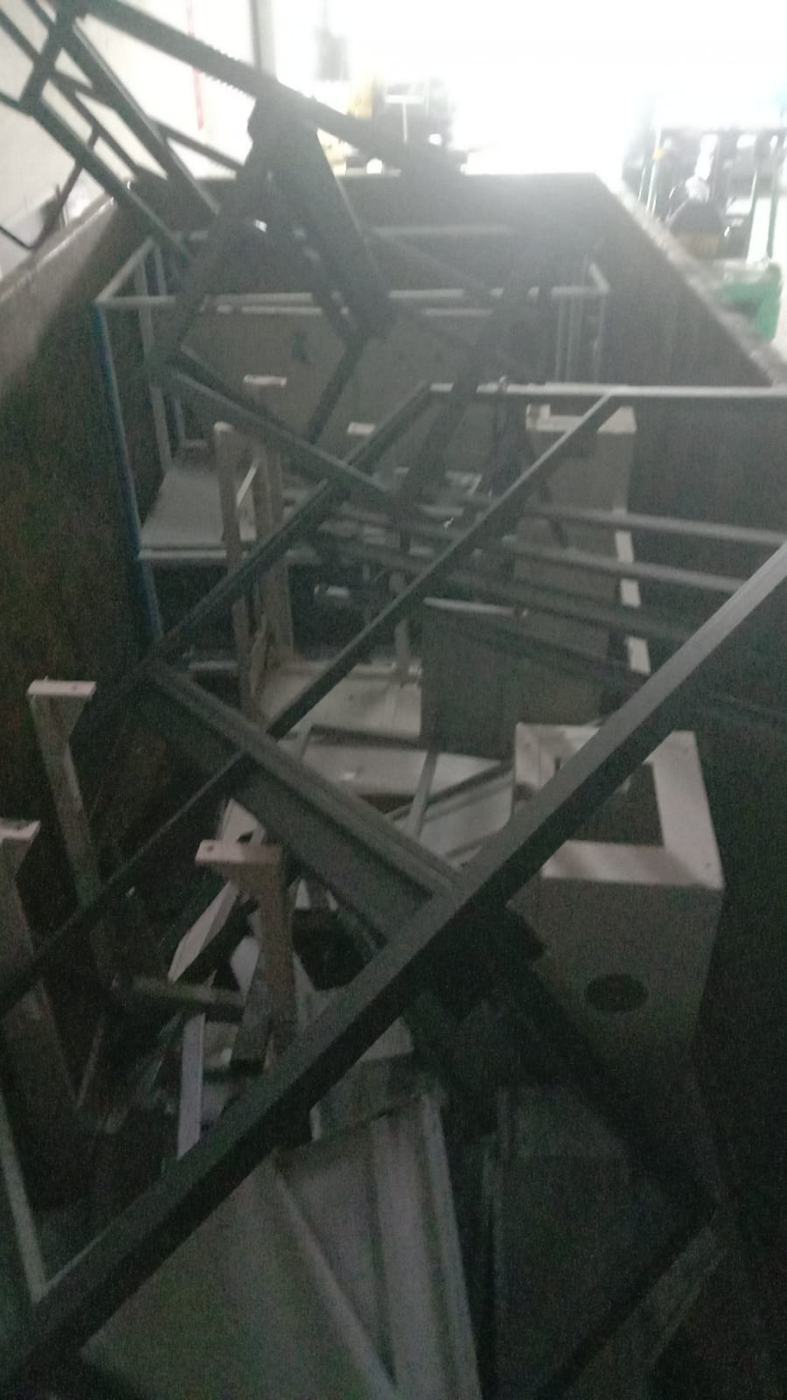
Inside the yard
Machines come in whole and leave as sorted metal, wire and parts.
About us
Our founder, Mr Ang Siew Hor, started Sim Hock Huat in a small workshop in Ang Mo Kio Industrial Park. He collected bins of scrap metal from CNC factories.
Then the CNC factories in Singapore started closing and moving overseas. Mr Ang noticed they had been supplying parts to semiconductor and other manufacturers further down the chain, so he went to those factories for scrap instead.
That is still what we do: reduce electronic waste by putting today's semiconductor scrap back into the production cycle as tomorrow's raw material.
Collecting scrap metal from CNC factories.
Our first move into scrap semiconductor chips.
Moved to a bigger 10,000 sq ft workshop at Sungei Kadut Street 5.
Moved from scrap chips to scrap machines, and relocated to our yard at Tuas South.
Machine sales, parts, relocation and certified destruction for semiconductor and electronics companies, with our environmental management system built to ISO 14001.
Customers
Semiconductor, electronics and research organisations in Singapore.












At the gate
Once a load is tipped and mixed in with everything else, anything wrong in it is much harder to find and much more expensive to deal with. So every delivery goes through the same four steps first.
Suppliers book the delivery in advance against a purchase contract. We tell them upfront what we will and will not take.
The truck goes to the weighbridge first. We check the load against the booking and record the weight, the time, the material and who brought it.
We look over the load before anyone tips it: contamination, anything on the banned list, signs of hazardous substances. It all goes on a checklist.
We spread the load out and scan it with a handheld XRF to confirm the grade. If a reading looks off, or you disagree with our grading, it goes for benchtop or lab analysis.
Sealed containers and gas cylinders, batteries, anything with a radiation warning on it, oil-stained metal, powders we cannot identify, and more PVC-coated cable than the description accounts for. With e-waste we also check that battery terminals are taped and nothing is swollen or leaking, that the lamps are not broken, and that the refrigerant circuit in an appliance is still sealed. Every e-waste load gets a radiation screen.
Responsibility
We get back as much metal as we can, so less goes to landfill and less new metal has to be mined.
We are straight about our licences and our paperwork, and fair to our customers, suppliers and staff.
We pay for what is actually in the load, and we put scrap back into production as raw material.
Environment
These are our environmental targets for FY2026/27. Each one comes from a significant environmental aspect we identified at the yard. We track them and go through them at management review.
Climate change matters to how we run the business. We are lining up with the Singapore Green Plan 2030 and the national Net Zero 2050 target.
Between 2025 and 2027 we are working out our Scope 1 and Scope 2 emissions baseline, auditing what our main processes use, and tracking fuel and electricity. We are doing the easy things first: LED lighting, less idling, better routing for the lorries. From 2028 we set reduction targets against that baseline, move to renewable electricity, and swap out diesel equipment where we can.
Compliance
This is what procurement and EHS teams usually ask us for.
We hold a General Waste Collector (GWC) licence and a General Waste Disposal Facility (GWDF) licence. These cover collecting and handling waste from other companies.
Toxic industrial waste does not go in a general waste skip and does not go near a stormwater drain. We keep it covered, on a sealed floor, inside bunding big enough to hold 110% of the largest container. Only NEA-licensed TIW collectors take it away, and we check their licence is still valid before we use them.
We keep batteries, lamps and ICT equipment apart from each other in a covered, locked area. E-waste and hazardous parts go only to licensed e-waste recyclers or licensed waste collectors, and we keep the receipt.
We record the weight, type and source of every e-waste load that comes in, the weight and destination of what goes back out, our collectors' licences, and the radiation screening results. We keep all of it for five years. Where we have to report as a licensee, the figures go to NEA in the first quarter for the year before.
We have an emergency response plan for fires, including lithium battery fires, for chemical releases and for radiation incidents. We review it at least once a year and work it through with SCDF, NEA, MOM and SPF.
Our EMS manual, aspects procedure and operational control procedures are written to the standard. They cover our scope, our policy, the environmental aspects of the yard, our legal obligations, our objectives, the day-to-day controls and what we do in an emergency. We are working towards certification and will put the certificate number and the certification body here once we have it.
Every scrapped machine is covered by a signed and stamped Certificate of Destruction with photo evidence. That gives you an audit trail showing the equipment did not go back on the market.
Get in touch
Whether you have a line of machines to decommission or a skid of mixed scrap, send us a list. We will tell you what we can take, what needs someone with a different licence, and what it is worth.